Choosing the Right Roofing and Siding for Indiana Weather
Learn how to choose the best roofing and siding for Indiana weather. From materials to maintenance, get expert tips and start your project — Contact us today!
3/30/20265 min read
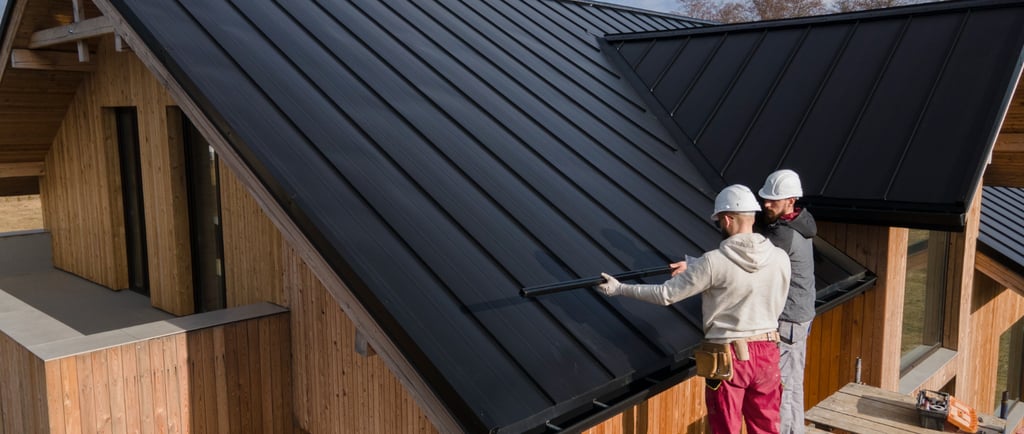
Indiana’s weather can be unpredictable, with hot summers, heavy rain, snowy winters, and strong spring winds. Your roof and siding protect your home from these elements, keeping it safe, dry, and energy efficient. Choosing the right materials and professional help is essential to ensure durability, reduce maintenance, and boost your home’s value.
This guide will help you understand the best options for roofing and siding in Indiana, how to plan your project, and what to consider when hiring experts.
Why Indiana Weather Matters for Roofing and Siding
Indiana experiences a wide range of weather. Hot sun, heavy rain, ice, and wind can damage roofs and siding. Choosing materials that handle these conditions is essential. Wrong choices can lead to leaks, rot, and costly repairs. Strong materials that withstand snow load and wind help prevent damage and extend the life of your home’s exterior.
Remodeling trends in Indianapolis show that homeowners are increasingly choosing durable materials that protect their homes while matching modern design preferences.
Common Roof Materials and What Works Best in Indiana
Asphalt shingles are the most common choice in Indiana due to their affordability and durability. Metal roofs are long-lasting, resist wind and snow, and can last up to 50 years. Clay tiles and wood shakes are less suitable because freeze-thaw cycles can cause cracking.
Working with a residential general contractor ensures that the right roofing materials are selected and properly installed to withstand Indiana’s challenging weather.
Siding Options That Handle Indiana Weather Well
Siding protects your home’s walls from water, wind, and temperature swings. Vinyl siding is popular because it is affordable, low‑maintenance, and resists fading. Fiber cement siding is another strong choice since it stands up well to moisture and pests. Wood siding looks beautiful but requires maintenance to prevent warping and rot.
A professional offering general contracting services can help you select siding that balances durability, aesthetics, and long-term value.
Assessing Your Home’s Needs Before You Start
Before starting a roofing or siding project, take time to assess what your home currently needs. Look for missing shingles, curling edges, faded color, damp spots inside walls, or cracked siding. These signs show that your exterior may be close to needing replacement.
Hiring an expert from home improvement services ensures your project is evaluated thoroughly, and any hidden issues are addressed before installation begins.
Getting Professional Help: Contractors and What to Look For
Working with the right professionals makes all the difference. A licensed contractor experienced in roofing and siding can evaluate your home, offer options, and make sure work follows building codes. Whether you need home improvement services or major updates, an expert can guide you.
Look for contractors with good reviews and verified licenses. Ask about experience with roofs and siding that handle strong winds, heavy snow, and temperature swings. Don’t sign anything until you understand the details, including cost and timeline.
In Indiana, many homeowners hire a residential general contractor to manage both roofing and siding work. These professionals coordinate crews, get permits when needed, and ensure that your project is done correctly from start to finish.
Budgeting for Roofing and Siding Projects
Roofing and siding costs vary widely depending on material and labor. Asphalt shingles are more affordable, while metal and fiber cement cost more but last longer. Request multiple detailed cost estimates from contractors, including materials, installation, permits, and cleanup. Transparent pricing prevents surprises and helps you plan your budget wisely.
Durability and Lifespan: What to Expect
Different materials last different lengths of time. Asphalt shingles typically last about 20‑30 years, while metal roofing can last 40‑50 years or more. Vinyl siding can last 20‑40 years. Fiber cement also holds up well and resists moisture.
Choosing materials with longer life can cost more at first but may save money over time. Think about how long you plan to live in your home and which options fit your long‑term goals.
Maintenance Tips to Extend Life of Roofing and Siding
Once your roof and siding are installed, regular maintenance keeps them working well. Clean gutters so water drains away from your home, and trim tree branches that rub against the roof. Inspect your siding every spring for cracks or warping. Small repairs now prevent larger problems later.
Homeowners who maintain their roof and siding regularly often avoid costly repairs and extend the life of their investment. Regular upkeep can also protect other areas of your home, including masonry, framing ensuring these components remain strong and durable.
Color and Style Choices That Fit Indiana Homes
Roof and siding colors affect curb appeal and comfort. Lighter colors reflect heat in summer, while darker tones hold warmth in winter. Choose styles that match your home’s design. Good choices can enhance resale value and make your home look welcoming.
Many roofing companies, siding manufacturers, and exterior design professionals offer tools to preview color combinations before you buy. This helps you pick a look you’ll love for years. You can also coordinate exterior finishes with masonry, framing, and basement renovations to create a cohesive and polished appearance.
Energy Efficiency and Weather Protection
Good roofing and siding do more than protect your home from weather—they also help with energy efficiency. Insulated siding and reflective roofing can reduce heating and cooling costs. Selecting materials that regulate temperature effectively keeps your home comfortable year-round.
Combining energy-conscious roofing and siding with properly insulated basements, well-sealed framing, and quality masonry can maximize overall energy efficiency and strengthen your home against the elements.
Warranty and Guarantee: What You Should Know
When investing in roofing or siding, check out warranties. Many manufacturers offer warranties on materials for 20 years or more. Some contractors also provide workmanship guarantees. Read the fine print so you understand what is covered and how long.
Warranties provide peace of mind, protecting your investment. This is especially valuable if you’re also completing masonry projects, framing work, or basement renovations, as proper guarantees ensure all aspects of your home structure are secure.
Timing Your Roofing or Siding Project Right
Spring and summer are popular times for exterior work but fall and winter can work too if the weather cooperates. Scheduling sooner rather than later helps avoid damage from seasonal storms or winter ice. Ask your contractor what timing works best based on weather forecasts and material availability.
Coordinating your roof and siding installation with masonry services, framing updates, or basement renovations can streamline construction and reduce overall disruption to your home.
How Roof and Siding Choices Increase Home Value
Updating your roof and siding improves both appearance and structural protection. Homes with strong exteriors sell faster and for higher prices. Real estate data shows exterior upgrades consistently return value at resale, making them smart investments.
Similarly, completing masonry upgrades, framing improvements, and basement renovations can enhance the home’s longevity, safety, and market appeal, providing a comprehensive boost to property value.
What to Avoid When Choosing Materials
Avoid siding or roofing that are cheap but low quality. Poor materials may save money at first but cost more in repairs later. Don’t choose products that aren’t suitable for your climate just because they look nice. Always prioritize durability and protective features for Indiana weather.
The same principle applies to masonry, framing, and basement work—investing in high-quality materials and professional installation ensures your home stays strong and secure for years to come.
Conclusion – Ready to Strengthen Your Home?
Choosing the right roofing and siding protects your home from Indiana’s harsh weather while improving comfort, energy efficiency, and curb appeal. By selecting durable materials, working with experienced contractors, and planning carefully, you ensure long-lasting results. For expert guidance and professional installation, contact us today and get started on strengthening your home’s exterior with confidence.
FAQ
1. How long does roofing last in Indiana weather?
Roofing lifespan depends on material. Asphalt shingles typically last 20‑30 years, while metal roofing can last 40‑50 years under Indiana weather conditions.
2. Can siding help lower my energy bills?
Yes. Insulated siding and energy‑efficient roofing help reduce heating and cooling costs, sometimes lowering energy bills by up to about 15%.
3. Do I need permits for roofing or siding work?
Most exterior projects require permits. A professional contractor will know local building codes and secure permits for you.
4. How do I know if I need new roofing or repairs?
Look for curling or missing shingles, leaks in the attic, or sagging roof areas. These signs often mean repair or replacement is needed.
5. What is the best siding for moisture resistance?
Fiber cement siding resists moisture well, making it a good choice for areas with snow, rain, or humidity.
Book A Free Quote
Services
Expert general contracting services in Indianapolis, IN.
Contact
About
© 2025. All rights reserved.