
Basement Home Office Ideas for Indianapolis Professionals Working Remotely
Create a basement home office Indianapolis pro will love. Get simple ideas for light, layout, storage, and comfort. Talk with a residential general contractor for general contracting services and a stress-free remodel today.
12/5/20257 min read
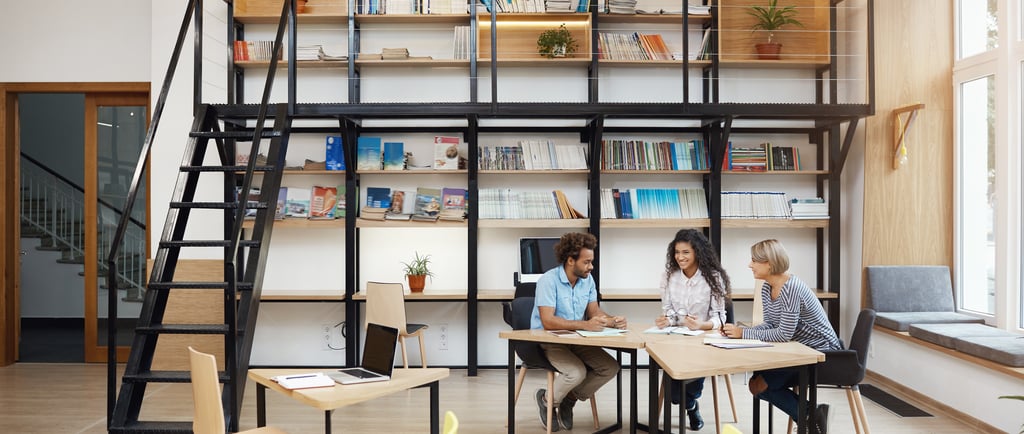

A basement home office Indianapolis project can turn an unused lower level into a quiet, focused place to work that feels separate from the rest of your house. As more local professionals shift to full-time or hybrid remote work, many find that the kitchen remodeling or a table or bedroom desk no longer feels right for long days of calls, emails, and deep focus tasks. A well-planned basement office lets you close the door to noise, set up your tech the way you like, and create a daily routine where you “go to work” downstairs and then leave it behind when you come back up.
This type of space also makes better use of the square footage you already own. Instead of storing boxes or seasonal items in a dark, cluttered basement, you can enjoy a bright, organized room that supports your career and comfort. With clear planning, simple design choices, and the support of a residential general contractor or general contractor home remodel team, your basement can become one of the most productive and enjoyable spots in your Indianapolis home.
Why a Basement Office Works for Remote Pros
A basement office gives you distance from daily noise like kids, pets, and street traffic. This space feels separate, so it is easier to “go to work” and then “leave work” at the end of the day.
Many Indianapolis homes have basements with enough room for a desk, storage, and a small seating area. With a clear plan and help from a residential general contractor, the space can feel bright, clean, and comfortable.
Start With a Simple Plan
Begin by measuring the whole basement area you want to use. Note ceiling height, low beams, support posts, windows, and doors. These details shape where furniture, storage, and lighting can go.
Think about how you move through space. You want a clear path from the stairs to your office zone and any other areas you use, like laundry or storage. A general contractor home remodel team can sketch a simple floor plan with a desk zone, storage wall, and seating corner that fits your needs.
Address Moisture and Comfort First
A good office must feel dry and safe. Look for water stains, peeling paint, damp spots, or musty smells on walls and floors. If you see any of these signs, deal with moisture issues before adding walls, floors, or new furniture.
You may need a dehumidifier to keep humidity in a healthy range and insulation to help control temperature. A general construction contractor can suggest vapor barriers, drainage improvements, and sump upgrades if your home needs them. Fixing these first protects your investment and keeps your office healthy.
Plan Lighting for a Bright Space
Basements often feel dark or closed in, so lighting makes a big difference. Start with overhead lighting that spreads soft, even light through the room. LED fixtures work well because they are bright and energy efficient.
Add a desk lamp for close work like reading and typing. Floor lamps or wall lights in corners help remove shadows and make the basement feel more open. Choose light wall colors such as white, cream, or pale gray so the light can bounce around. Mirrors placed across from lights or windows also help brighten the room.
Choose a Desk Setup That Fits Your Work
Your desk is the main tool in your basement home office Indianapolis design. Think about what you do every day. If you use one screen and a laptop, a straight desk may be enough. If you use two monitors, paper, or drawing tools, an L-shaped desk gives more surface while using a corner.
Place your desk so you have a view of the door and some of the room. This feels more relaxed than facing a blank wall. Try not to put your screen directly in front of a basement window, because the bright light behind you can make video calls look harsh. A residential general contractor can even build a custom desk into a niche or under stairs if your basement has odd shapes.
Add Smart Storage and Organization
Storage keeps clutter under control and helps your mind stay clear. Use tall bookcases or cabinets to take advantage of vertical wall space. Open shelves are great for books, bins, and decor. Closed cabinets hide printers, cords, files, and extra supplies.
If you have strange corners or spaces between posts, built-in shelves or cabinets can turn them into useful storage. A general contractor home remodel specialist can design and install these built-ins, so they fit the basement well and match the rest of your home style. Rolling file cabinets or carts that slide under the desk keep the floor open and easy to clean.
Focus on Comfort, Ergonomics, and Tech
Because you may sit at your desk for many hours each day, comfort and ergonomics matter. Choose a chair with good back support that you can adjust. Your feet should rest flat on the floor, your knees should bend at about a right angle, and your arms should rest softly at your sides.
Place your monitor so the top of the screen is at or a bit below eye level. This helps reduce neck strain during video calls and long work sessions. Plan for enough outlets for computers, monitors, printers, and chargers. General contracting services can include adding new outlets, better lighting switches, and even a hard-wired internet line for steady, strong connections.
Control Sound for Better Focus and Calls
Basements often have hard surfaces that make sound bounce and echo. Soft materials help. A large rug under your desk and chair absorbs sound and makes the floor more comfortable. Fabric chairs, curtains, and cushions also reduce echo.
If you hear noise from upstairs, consider basic sound control like extra insulation between floor joists or a solid-core door at the stairway. These small steps can make a big difference during work calls. You can also use a white noise machine or quiet background music to mask small sounds and create a calm work mood.
Use Color and Decor to Set the Mood
Color has a strong effect on how your office feels. Light colors on the walls help the basement feel open and less like a cave. You can use one accent wall behind your desk in a slightly deeper color to create a nice background for video calls.
Decor should be simple and soothing. A few framed prints, a tidy bookcase, and some plants can make the room feel warm and personal without being busy. Plants work well in many basements and bring a bit of nature into space. Keep the area behind you uncluttered, so your video call background looks professional.
Create Zones for Work and Other Uses
Many Indianapolis basements need to serve more than one purpose. You might want an office, a play area, a workout spot, or a guest space all on one level. You can still make a great office by dividing the basement into clear zones.
Use rugs, furniture, placement, and lighting to mark each zone. One area can hold your desk, chair, and storage. Another can host a small sofa, TV, or exercise equipment. A sleeper sofa or Murphy bed lets the space double as a guest room when needed. A general construction contractor can add half-walls with masonry services in Indianapolis or built-in shelving to separate zones without closing off the room.
Choose Basement-Friendly Flooring
Flooring in a basement must handle moisture and feel good underfoot. A water-resistant vinyl plank is a common choice because it looks like wood, is easy to clean, and can handle minor moisture. Carpet tiles add warmth and sound control and can be tile installation services and replaced by one piece at a time if they get stained.
If you like a modern, simple look, sealed or epoxy-coated concrete can work well. It reduces dust, is easy to mop, and pairs nicely with rugs in the office zone. A general contractor home remodel team can level the slab and add underlayment, so your flooring choice lasts and feels solid.
Heating, Cooling, and Air Quality
Basements often run cooler than the rest of the house, which can be nice in summer but cold in winter. Make sure vents are open to the office area and that air can move freely. In some cases, you may want a separate zone on your home’s heating and cooling system, so you can set the basement to a comfortable temperature without affecting other floors.
Air quality also matters in a space where you work all day. A dehumidifier helps keep moisture in check, and a small air purifier can cut dust and allergies. If you have small windows, open them on mild days to bring in fresh air and reset the room.
Working With a Professional Team
Some parts of building a basement home office are simple, like painting walls or painting services or assembling furniture. Others, such as adding circuits, framing new walls, framing services, moving ducts, or changing plumbing, should be handled by licensed experts. A residential general contractor can manage the full project, so it follows local codes and safety rules.
General contracting services bring together electricians, carpenters, and other trades, so you do not have to coordinate everything yourself. A general construction contractor can help set up a realistic budget and timeline; handle permits if needed and adjust the plan if hidden issues appear in an older basement. This support keeps stress down and quality up.
Conclusion
A well-designed basement home office Indianapolis professionals use every day to improve focus, comfort, and work-life balance. With clear planning, smart storage, good light, and cozy finishes, your basement can feel like a natural extension of your home rather than a dark extra room. When you partner with a residential general contractor or general contractor home remodel team, you get guidance on layout, moisture control, lighting, and finishes, so your office is safe, welcoming, and built to last. This project can turn unused space into one of the most valuable rooms in your home.
FAQs
1. How do I start a basement home office Indianapolis project?
Begin by checking for moisture, measuring the space, and thinking about how you work each day. Then create a simple layout for your desk, storage, and seating and talk with a general contractor home remodel specialist about any repairs or upgrades you need.
2. Do I need a residential general contractor for a basement office?
You can handle simple tasks yourself, but you should use a residential general contractor for major work like wiring, framing, or adding walls. This keeps the project safe, up to code, and finished to a high standard.
3. What kind of lighting is best for a basement office?
Layered lighting works best. Use bright but soft ceiling lights for general light, a desk lamp for close work, and floor or wall lights to fill dark corners. Light wall colors and mirrors help reflect that light and make the room feel more open.
4. What flooring is good for a basement home office?
Water-resistant vinyl plank and carpet tiles are both common choices because they handle moisture and feel comfortable. You can also use sealed or epoxy-coated concrete for a modern look. Talk with a general construction contractor about the best option for your space.
5. How much does it cost to turn a basement into an office?
Costs depend on size, existing conditions, and finishes. A simple paint and furniture update costs less, while adding walls, built-ins, and new lighting costs more. Get quotes from general contracting services to compare options and match the project to your budget.
Book A Free Quote
Services
Expert general contracting services in Indianapolis, IN.
Contact
About
© 2025. All rights reserved.